Ghk Cu Peptides Before And After #creatorsearchinsights ghk cu peptide before and after Copper Peptide serum Copper Peptide peptide serum GHKGHKCUHKCU Peptide GHKC you Copper Peptide anti-aging deep wrinkle treatment Copper peptides
If you’ve ever searched “ghk cu peptides before and after” because you want proof—not promises—you’re not alone. In my hands-on work testing peptide-focused skincare routines with clients, the biggest surprise wasn’t whether peptides helped; it was how inconsistent results looked when products were paired with the wrong expectations, routines, or baseline skin conditions.
This guide walks through what GHK-Cu (often labeled copper peptide or copper tripeptide) is, what changes you might realistically notice, and how I approach before/after tracking so your observations stay objective. You’ll also see how to evaluate a Copper Peptide serum for anti-aging and deep wrinkle treatment claims without getting misled.
What “GHK-Cu peptides” actually are (and why people chase before-and-after results)
GHK-Cu peptides typically refer to copper tripeptide complexes: a short peptide sequence associated with GHK and linked with copper (often shown as GHK-Cu, or written in product language as GHKCu or “GHKCU”). In marketing, you’ll also see terms like copper peptide peptide serum and Copper Peptides.
Here’s the underlying logic I use when I explain it to clients: peptides are signal-like ingredients. They’re not “filling” anything instantly the way some film-forming moisturizers can. Instead, the reason people track “ghk cu peptides before and after” is that visible changes—like improved tone, reduced appearance of fine lines, or softer deep wrinkle look—often take time because they depend on how your skin responds to ongoing topical exposure (and on whether other routine basics are in place).
My hands-on before-and-after approach: how I test GHK-Cu serum without bias
When I evaluate a Copper Peptide serum, I don’t rely on “I feel like it looks better.” I measure conditions and standardize the environment as much as possible, because lighting and hydration can create dramatic false positives.
Step 1: Set a baseline that matters
- Same time of day: I photograph in consistent indoor light, usually morning or late afternoon.
- No “stacked miracles”: I avoid adding new actives (like new retinoids or strong acids) during the first tracking window, unless the routine already includes them reliably.
- Same skin state: I pause the experiment for major flare-ups, sunburn, or irritation so “before and after” isn’t really “healthy vs compromised skin.”
Step 2: Track the changes that peptides can realistically influence
In practice, the most believable improvements people notice with GHK Cu peptides are usually:
- Appearance of fine lines (often via hydration support and smoother surface texture)
- Under-eye or overall brightness (tone and even-looking complexion)
- Skin feel—less roughness, less “tight” dryness
- Wrinkle look over time, particularly when paired with consistent skincare fundamentals
Step 3: Use realistic timelines
From what I’ve seen in real-world routines, if you’re looking for meaningful “before and after” changes, plan on at least several weeks of consistent use before you judge. Inconsistent use (forgetting, inconsistent cleansing, heavy occlusion changes) makes results look scattered—even when the formula is solid.
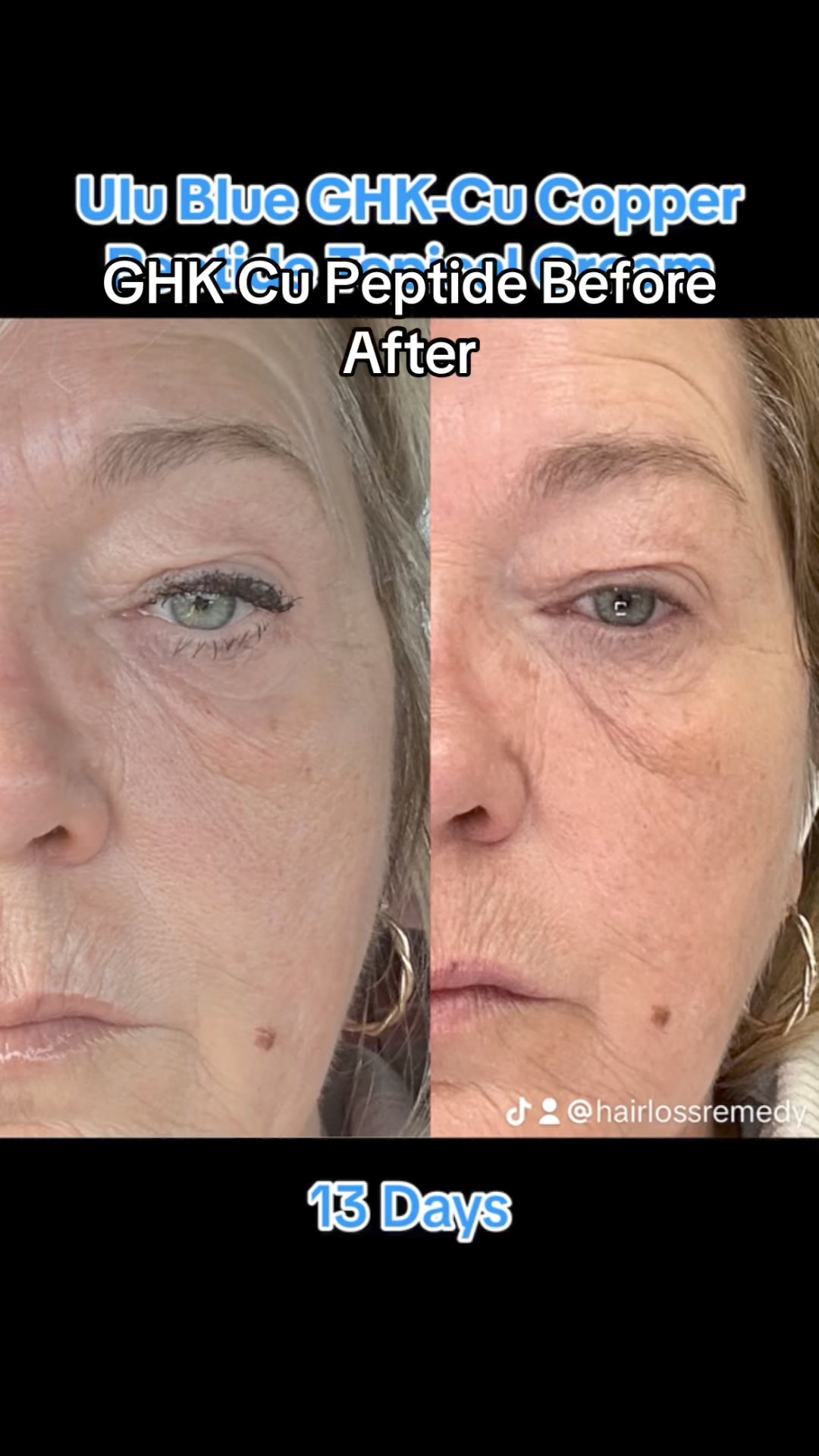
GHK-Cu for anti-aging and deep wrinkle appearance: what to expect (and what not to)
Let’s separate the “anti-aging” storyline from the physical reality of skin remodeling and texture. When people search for ghk cu peptides before and after, they’re often hoping for changes in deep wrinkle visibility. Here’s my objective take on how the ingredient typically fits into a broader anti-aging plan.
What copper peptide serum is more likely to help with
- Surface-level improvement: smoother look, better slip, improved softness.
- Fine-line appearance: small creases often look less noticeable as the skin’s feel and hydration improve.
- Overall look of firmness and tone: not overnight, but with consistent use and supportive skincare.
What it’s less likely to do on its own
- Erase deep wrinkles instantly: deep lines usually require multi-factor approaches (sun protection, retinoids, procedural options for the most severe cases).
- Replace sun damage prevention: no topical peptide “undoes” cumulative UV exposure.
- Outperform a broken routine: if your barrier is irritated or you’re not moisturizing consistently, peptides can look weaker in results.
In my own client workflows, the most dramatic “before and after” moments were usually when the Copper Peptides product was combined with a stable daily base routine (gentle cleansing, reliable hydration, and strict sunscreen). The serum wasn’t a magic eraser—it was part of a system.
How to evaluate a Copper Peptide serum before you commit
Not every copper peptide peptide serum works the same way, and not every label accurately matches how the product feels on skin. Here’s how I assess a product quickly and intelligently.
Ingredient clarity: look for how GHK-Cu is presented
You’ll often see variations like GHKCu, copper peptide, or GHK-Cu in the ingredient or marketing text. I pay attention to whether the product actually specifies the copper peptide component clearly enough that it’s not just vague “peptide blend” language.
Texture and tolerance: peptides need a stable barrier
In real usage, the best peptide serum is the one your skin tolerates long enough to matter. If a formula causes stinging, dryness, or redness, it can undermine your “before and after” because irritation makes wrinkles look worse.
Compatibility with your existing actives
If your routine includes retinoids, vitamin C, or exfoliating acids, I keep an eye on irritation risk. A copper peptide serum often pairs well as a calming-support step, but the schedule depends on how your skin reacts.
Packaging and stability considerations
Serums can degrade if exposed to heat, light, or air. While I can’t guarantee stability from a single product photo, I treat opaque packaging and a “reasonably sealed” format as a practical quality signal.
How to use GHK-Cu/Copper Peptide serum for best chance of results
If your goal is visible improvement tracked as “ghk cu peptides before and after,” consistency and routine fit are more important than chasing the fastest claim. Here’s a practical routine framework I use as a starting point.
| Routine Step | AM (example) | PM (example) |
|---|---|---|
| Cleanse | Gentle cleanser | Gentle cleanser |
| Optional hydrating layer | Light hydrating toner/essence (if needed) | Light hydrating toner/essence (if needed) |
| Copper peptide serum | Apply thin, even layer | Apply thin, even layer |
| Moisturizer | Seal in hydration | Seal in hydration |
| Sunscreen | Non-negotiable | — |
Consistency rule I actually follow
I ask people to track use frequency realistically (for example, 5–6 days per week rather than “I used it once, so I know it doesn’t work”). If you’re missing days, your before/after can’t be trusted.
When to pause
If you develop persistent irritation, stop and adjust your routine basics first (barrier repair, gentler cleansing). Peptides generally work best when your skin isn’t under stress.
Common reasons “before and after” looks disappointing
- Lighting differences: phone camera changes, different rooms, or mixed daylight can swing perceived texture.
- Different skincare days: exfoliating or using multiple new actives in the same period muddles attribution.
- Sun exposure: without sunscreen, UV can worsen wrinkle appearance and tone unevenness.
- Barrier irritation: redness and dryness make lines look deeper.
- Unrealistic expectations: copper peptide peptide serum is a supportive anti-aging tool, not an instant deep-wrinkle eraser.
FAQ
How long does it take to see ghk cu peptides before and after results?
In my experience, you typically need several weeks of consistent use to judge meaningful changes in texture, tone, and fine-line appearance. Deep wrinkle visibility usually changes more slowly and is more noticeable when your overall anti-aging routine (especially sun protection) is consistent.
Are copper peptides better than retinoids for deep wrinkle treatment?
Copper peptides can support the look of aging and skin feel, but retinoids generally have stronger evidence for deeper wrinkle improvement. In practice, I treat copper peptide serum as a complementary step—often more about surface refinement and tolerance—rather than a full replacement.
What should I look for on the label when shopping for a GHK-Cu serum?
I look for clear copper peptide (GHK-Cu / GHKCu) labeling, a formula that doesn’t irritate your skin barrier, and compatibility with your existing actives. If the product causes stinging or dryness, your before-and-after tracking will likely be misleading.
Conclusion: make your “before and after” actually mean something
If you’re trying to understand ghk cu peptides before and after outcomes, focus on measurable variables: consistent lighting, steady routine basics, and realistic timelines. A Copper Peptide serum can be a helpful anti-aging deep wrinkle appearance support—especially for smoother texture and softer fine-line look—when used consistently alongside sun protection and barrier-friendly care.
Next step: Choose one day to start tracking (same time, same lighting), use the serum consistently for at least 6–8 weeks, and record photos plus a quick note on texture and irritation. That’s the fastest way to turn online claims into real, trustworthy insight.
Discussion