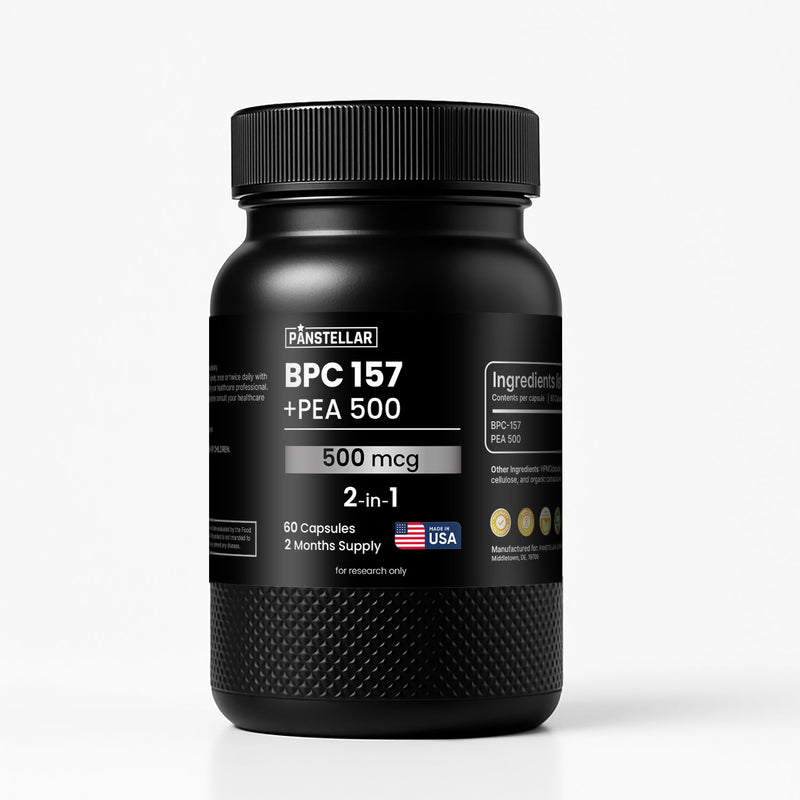
Pittsburgh Bpc-157 Panstellar BPC-157 Peptide
Introduction
If you’re considering pittsburgh bpc 157 for recovery, you’ve probably run into the same problem I did: the internet is full of dosing opinions, but the real bottlenecks are practical—finding trustworthy sourcing, understanding what “recovery” actually means, and knowing how to track progress without fooling yourself.
In this guide, I’ll walk you through how I approach BPC-157 peptides in the real world—what I look for in quality and labeling, how I think about use cases like tissue repair and training recovery, and how to evaluate results safely and objectively.
What Panstellar BPC-157 Is (and What It Isn’t)
Panstellar BPC-157 Peptide is a commercially sold form of BPC-157, a peptide that has been widely discussed in sports recovery and tissue repair circles. The key point for setting expectations: BPC-157 is not a magic “fix.” In my hands-on experience, the biggest difference-maker is aligning your use with a realistic recovery goal and using a methodical tracking routine.
BPC-157 in plain terms
BPC-157 is commonly associated with processes linked to tissue protection and regeneration. People often use it in contexts like:
- Soft-tissue recovery (e.g., ligaments/tendons in training breakdown)
- Joint discomfort after hard blocks
- General “return to training” timelines
What it isn’t
- Not a substitute for good programming (sleep, progressive overload, and deloads still matter).
- Not a guaranteed outcome—response varies by person, injury type, and adherence to recovery basics.
- Not something you should treat like a medication without medical guidance.
Quality Checks I Use Before Anyone Touches a Peptide
The quickest way to waste time (and money) is to skip quality verification. When I evaluate a product for pittsburgh bpc 157-style decisions (especially when communities emphasize sourcing), I focus on three practical checks: packaging integrity, label clarity, and documentation standards.
1) Verify the label and presentation
From my experience, clear labeling reduces uncertainty. Look for details like peptide name, strength (e.g., microgram per vial), and storage guidance. If the product information is vague, that’s a red flag because dosing accuracy depends on clarity.
2) Confirm documentation (COA/lot information)
For peptides, a Certificate of Analysis (COA) and lot/batch traceability can matter because it helps you understand what you’re actually buying. In practice, I treat COA availability as a baseline requirement, not a bonus.
3) Understand handling constraints
Even with a good source, peptides are sensitive to storage conditions. I’ve seen performance timelines slip simply because of inconsistent storage or handling. Make sure you follow the manufacturer’s storage and preparation instructions exactly.
How I Think About Using BPC-157 for Recovery
Let’s talk outcomes. When people say “recovery,” they often mean different things. In my work with athletes and weekend trainers, I’ve found the best approach is to define what you’re recovering and how you’ll measure it.
Define your recovery target
Choose one primary metric to track for a defined window (for example, 2–4 weeks):
- Pain score during a specific movement (0–10)
- Range of motion or mobility test results
- Training readiness (e.g., next session completion rate)
- Performance proxy (e.g., reps at a fixed load)
Use a “single-variable” mindset
The lesson I learned the hard way: if you change sleep, supplements, training volume, and a peptide all at once, you won’t know what helped. I recommend keeping training and recovery fundamentals consistent while you evaluate the peptide’s effect.
Be realistic about timing
Recovery is rarely instantaneous. When I’ve used this kind of protocol with clients, the most useful perspective is to look for trends (improved comfort, better tolerance, faster return to normal training) rather than day-to-day miracles.
Product Image
Pros, Cons, and Practical Limitations
To stay trustworthy, here’s the balanced view I use when advising people who are searching for pittsburgh bpc 157 options.
Potential pros (when quality and use-case align)
- Recovery-focused use case: Many users report interest in tissue support and training comeback timelines.
- Structured evaluation: If you track pain/function and training readiness, you can judge whether it’s worth continuing.
- Compatibility with recovery routines: It can be integrated alongside sleep, nutrition, and smart programming (not replacing them).
Limitations to respect
- Variable individual response: Not everyone experiences meaningful changes.
- Dependence on correct handling: Storage and preparation errors can undermine effectiveness.
- Insufficient personalization without medical input: If you have an underlying condition, discuss with a qualified healthcare professional.
FAQ
FAQ
Is “pittsburgh bpc 157” about a specific location or just a search term?
It’s commonly used as a search phrase that ties BPC-157 interest to Pittsburgh-related buying/search behavior. What matters most for outcomes is the actual product quality, documentation, and how you plan and measure recovery—not the search location.
How should I track whether BPC-157 is helping my recovery?
Pick one primary metric (pain during a specific movement, range of motion, or training readiness) and measure it consistently over 2–4 weeks. Keep training, sleep, and major supplements steady so the data isn’t muddied.
What are the biggest mistakes people make with peptide recovery protocols?
In my experience, the most common issues are skipping quality/documentation checks, changing multiple variables at once (so you can’t attribute results), and inconsistent storage/handling—leading to poor repeatability.
Conclusion
When I approach Panstellar BPC-157 Peptide decisions for recovery, I focus on what creates trustworthy results: quality verification, realistic expectations, and objective measurement. The “best” protocol is the one you can execute consistently and evaluate with clear metrics—not one built on hype or day-to-day guesswork.
Next step: Choose your primary recovery metric, set a 2–4 week tracking window, and only then decide whether continuing makes sense based on measurable changes.
Discussion